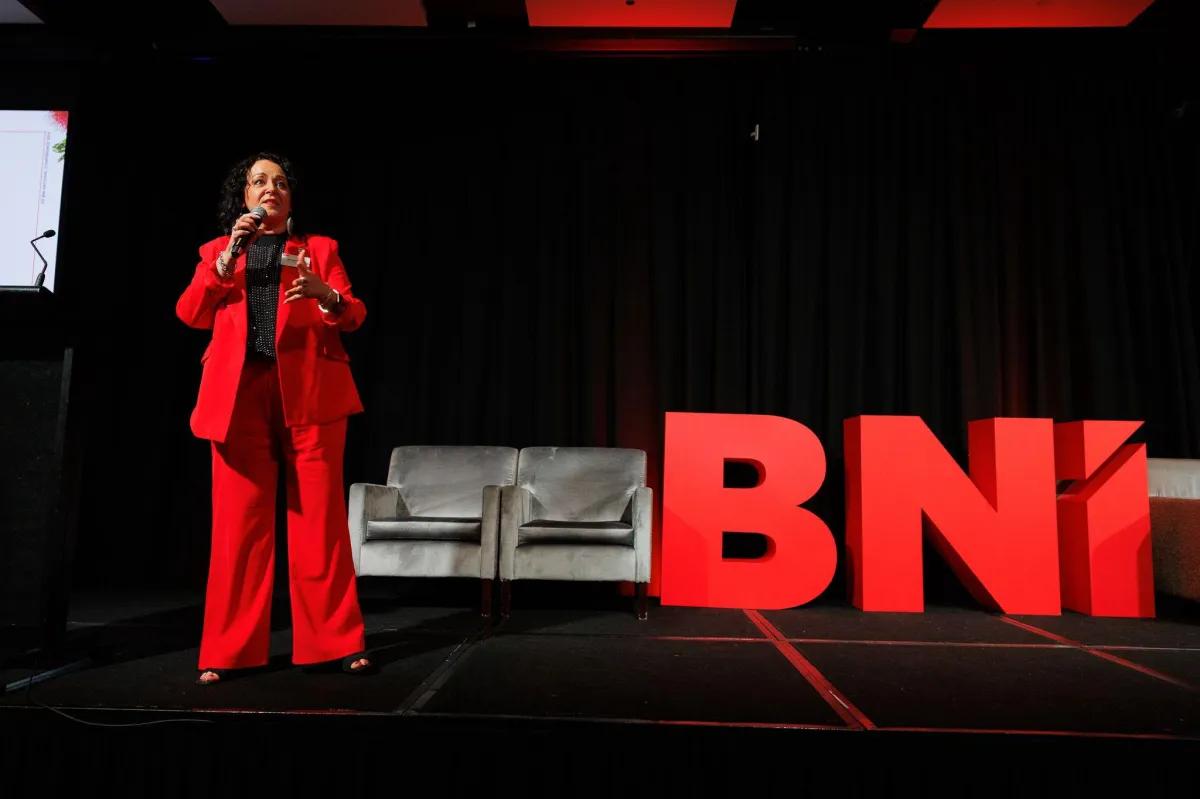
How Stories Become Impactful and Credible - Monique Bradley
Most people already have a story worth telling.
What they don’t have is a way to work with it.
Experience alone doesn’t create impact.
Insight alone doesn’t create credibility.
And having a meaningful story doesn’t automatically lead to opportunity.
The difference lies in structure.
The gap between experience and opportunity
I meet many people who have lived rich, complex lives.
They’ve navigated change.
They’ve led teams.
They’ve overcome setbacks.
They’ve learned things the hard way.
And yet, when they speak, their message feels scattered.
Not because they lack depth, but because their story hasn’t been shaped.
Without structure, stories stay personal.
With structure, they become transferable.
That’s the point where experience turns into value for others.
Why credibility comes from clarity, not credentials
Credibility isn’t built by listing achievements.
It’s built when people understand how you think.
When you share a story with intention, you’re not asking people to admire you. You’re helping them make sense of something.
A well-crafted story shows:
What you noticed
What mattered
What changed
What others can take from it
That clarity creates trust.
Not because you’re positioning yourself as an expert, but because your thinking is visible.
Impact happens when the story isn’t about you
One of the biggest shifts people make as they grow into speaking or leadership roles is this:
They stop telling stories to be interesting.
And start telling stories to be useful.
Impact doesn’t come from the size of the story.
It comes from its relevance.
When a story is anchored in a clear message, the audience can locate themselves inside it. They can reflect. They can apply. They can move.
That’s where impact lives.
Structure is what opens doors
Paid speaking opportunities don’t come from having a powerful story alone.
They come from being able to:
Articulate what your story is about
Connect it to a clear outcome
Deliver it consistently
Event organisers, leaders, and organisations aren’t looking for perfection.
They’re looking for clarity.
They want to know:
What will this give our audience?
What will shift as a result?
Structure answers those questions.
Story as a professional asset
When story is treated as a professional tool rather than a personal expression, something changes.
People stop apologising for their experience.
They stop over-explaining.
They stop second-guessing their right to be in the room.
They speak from a grounded place.
Not louder.
Not bigger.
Clearer.
And clarity travels.
A quieter truth
Not every story needs a stage.
But the stories we understand best tend to open the most doors.
They shape how we show up.
How we communicate.
How we’re perceived.
Impact, credibility, and opportunity don’t come from telling more stories.
They come from telling the right one, in the right way, with intention.
And that’s not about confidence.
It’s about craft.
If you need help with crafting your story, let’s chat.
In your corner,
Monique
