Why So Many Leaders Are Tired
The Emotional Labour of Being “On” All the Time
I’m noticing something in the rooms I’m in lately.
Leaders are tired.
Not lazy.
Not disengaged.
Not lacking capability.
Just tired.
And I recognise it because I’ve experienced it too.
There is a particular kind of exhaustion that comes from being “on” all the time. From holding the room. Holding the vision. Holding other people’s anxiety. Holding your own doubts quietly so they don’t spill into the space you’re responsible for.
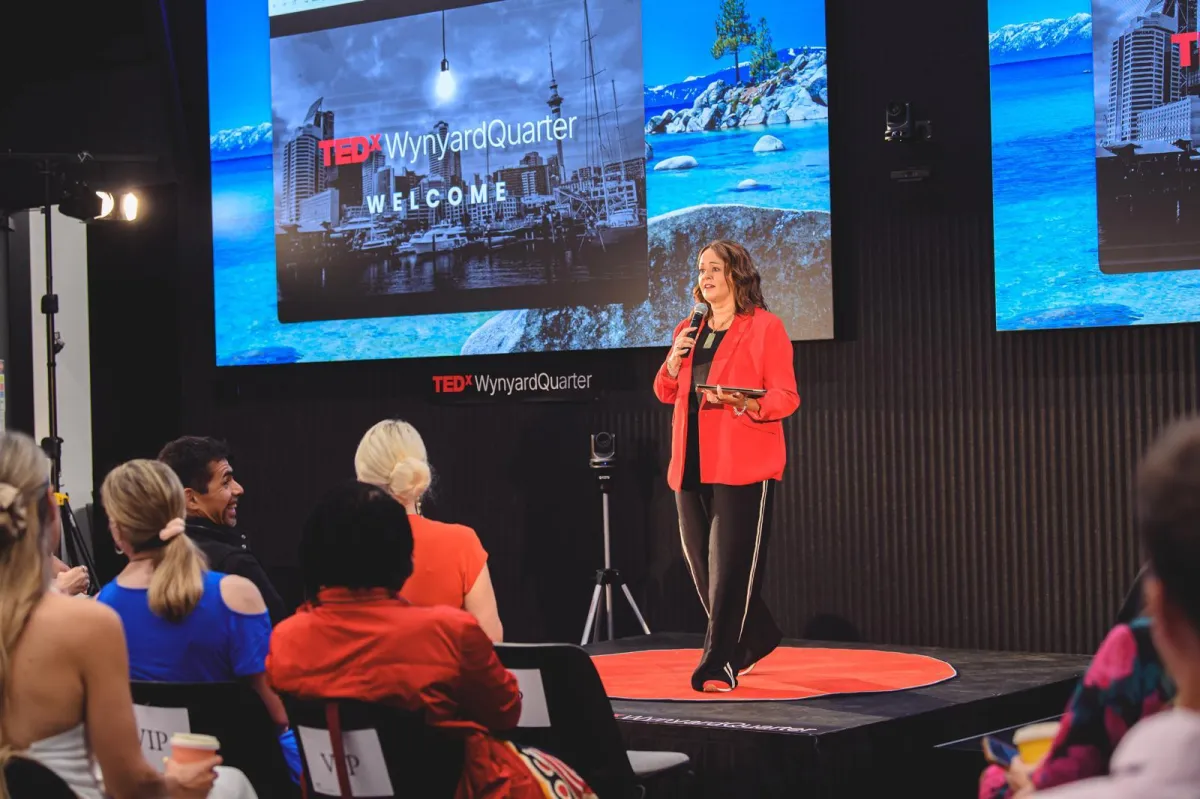
I know what it feels like to be the confident one. The MC. The keynote speaker. The person expected to lift the energy, anchor the moment, steady the room.
And then to go home and realise just how much energy that lifting required.
For a long time, I thought leadership meant never letting the cracks show. Never admitting uncertainty. Never slowing down. Never saying, “Actually, I’m exhausted.”
From the outside, that kind of leadership looks strong.
On the inside, it can be draining.
The Performance Layer No One Talks About
We talk about strategy and communication. We talk about resilience and emotional intelligence. We talk about vision and influence.
But we don’t talk enough about the performance layer.
The subtle pressure to appear composed.
To sound certain when you’re still processing.
To motivate when you’re still navigating your own doubts.
I’ve done that dance.
Confident on stage.
Anxious behind the scenes.
And what I learned the hard way is this: being capable is not the same as being constantly composed.
The Cognitive Load Is Real
Cognitive load research tells us our brains have limited processing capacity (Sweller, 1988). Leadership today demands constant decision-making, context-switching and emotional regulation. That alone is significant.
Now layer on expectation.
The World Economic Forum identifies resilience, adaptability and analytical thinking as essential future skills (WEF, 2023). Deloitte and McKinsey continue to report on the pressure organisations face to transform quickly and lead through complexity.
That sounds inspiring.
It is also heavy.
Resilience is not free. It costs energy. And energy is finite.
What I Had to Learn
The turning point for me was realising that I was performing confidence rather than living from alignment.
There is a difference.
Performance is effortful.
Presence is grounded.
Performance seeks approval.
Presence builds trust.
When I stopped trying to be “on” all the time and started leading from clarity — from knowing who I am, how I serve and what I stand for — something shifted.
I didn’t lose drive.
I gained steadiness.
And steadiness is sustainable.
The Invisible Labour of Leadership
There is invisible work happening inside leaders every day.
Regulating your tone before a meeting.
Choosing language carefully so you don’t escalate tension.
Listening deeply when you’re already depleted.
Managing your own narrative so it doesn’t leak into your team.
That is emotional labour.
And when it goes unacknowledged, it accumulates.
I’ve felt that accumulation. The quiet kind that doesn’t announce itself dramatically, but shows up as fatigue, cynicism or disconnection.
What pulled me back wasn’t pushing harder.
It was coming back to alignment.
A More Sustainable Way to Lead
This isn’t about oversharing or collapsing in front of your team.
It’s about leading in a way that doesn’t require you to abandon yourself.
Less performance.
More clarity.
Less hype.
More presence.
When you are aligned, you don’t have to constantly manufacture energy. You can be consistent. And consistency builds far more trust than relentless optimism ever will.
If you’re a leader reading this and you’re tired, I see you.
Not because you’re failing.
But because you care.
The question isn’t how to push harder.
It’s how to lead without performing.
That shift changed everything for me.
And it might just change something for you too.
