Ethical Influence: Why I Think We're All in Sales.....and How To Lose The ICK.
Ethical Influence: Why I Think We're All in Sales.....and How To Lose The ICK.
Lately, I've been getting asked to speak more and more on the topic of sales.
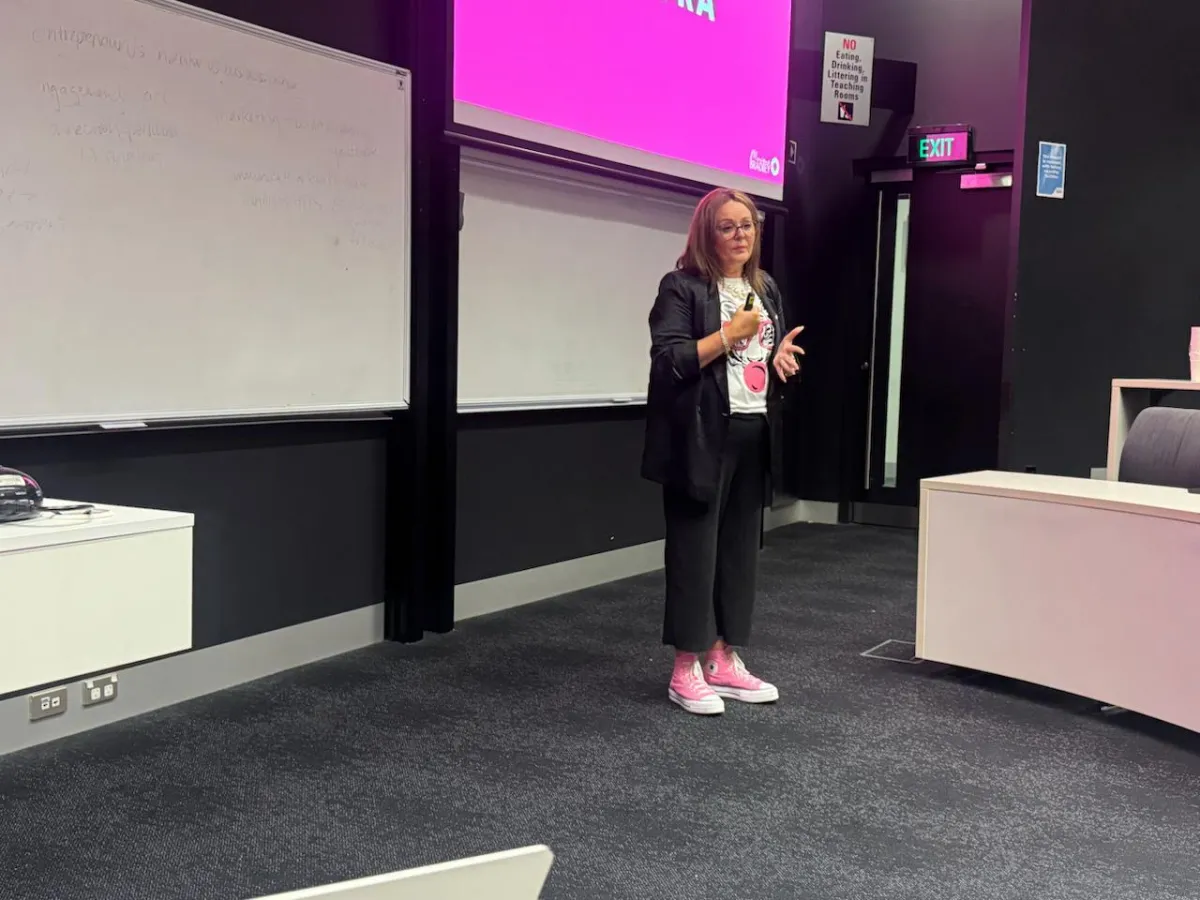
I suspect that's because I'm one of only a handful of people in New Zealand who has worked as a TV shopping presenter. Apparently, standing in front of a camera convincing people they absolutely need a mop at 10pm qualifies you to talk about sales. If that's the case, then YAY.
And honestly? I love sales, so I'll take that.
I've never had any formal sales training other than working in a Bank, where Customer Service became less about service and more about selling products. However, looking back, I've actually been selling my whole life, and as an adult have spent time reverse engineering my own sales process to try and understand what I've actually been doing that works.
As a kid, I was the one raising money for school fundraisers. I was driven by the recognition of the most plastic bags and pens sold.......and that was an easy sell, because who doesn't need more plastic bags and pens? Especially when the funds are for the kids......??? I would happily door knock, share stories and LOVED handling money. I also loved working in retail, hearing stories about people, finding solutions and once again handling money. And during Covid, my partner Pete and I set up an e-Commerce store, sourced products, created content and watched money flow in. It was exhilarating.
Over the years I've sold a tonne of products, promoted services and ideas, and helped raise significant amounts of money for charities....... and the funny thing is, I never felt like I was selling.
What I noticed from a young age was that when I genuinely believed in something, and when I could clearly see how it might help someone else, people responded. Not because I was persuasive, because I was passionate. Because I cared. Because I could see a connection between what they needed, and what was possible.
And most importantly, because I told stories. (If you didn't see that coming, SURPRISE.) So now, the older I get, the more I believe we've actually misunderstood sales.......even vilified it. Hang in with me here for a moment.
When people tell me they're not good at sales, I often smile because I don't think they're giving themselves enough credit.
Every single one of us influences people every day.
You influence your teenager when you're trying to convince them to clean their room.
You influence a friend when you tell them they absolutely need to try the restaurant you just discovered.
You influence your partner when you're negotiating where to go on holiday.
You influence your team when you're trying to get buy-in for a new idea.
Influence is happening all around us.
The real question is whether we're using it consciously (and ethically).
That's where storytelling comes in.
As a speaker, I specialise in storytelling practice because storytelling is one of the most powerful tools for creating connection. Connection creates trust. Trust influences behaviour.
And that's why stories work.......Not because they're clever. Not because they're manipulative. Because they take people on a journey......and they help people feel something. People rarely remember every fact, statistic or feature you share, but what they DO remember is how you made them feel.
That's why the best sales conversations don't feel like sales conversations. The best leaders don't feel like they're forcing people to follow them. The best speakers don't feel like they're convincing an audience of anything. They're creating connection. They're helping people see themselves in a story. They're helping people understand what's possible. They're helping people move towards an outcome they already want.
So let's take a moment to look at the difference between manipulation and influence. Here's my thoughts:
Manipulation serves the seller. Influence serves the buyer. (Mic Drop.)
Manipulation asks: "How do I get what I want?"
Influence asks: "How do I help someone else get what they want?"
Those are very different conversations. And it's also why I often tell audiences to stop selling.
Instead, I encourage then to get curious. Listen. Understand the problem. Connect. Support. Offer clarity.
And if you genuinely have a solution that can help someone, share it. While you are selling, you're also not selling. Actually - redact that. You're not being salesy. That's the bit that gives most people the 'ick'.
The way you frame things is the key to success. When you stop being 'salesy', you're simply helping people make a decision.......It's an act of service. And perhaps that's why storytelling is such a powerful business skill: Not because it helps us convince people, but because it helps us connect with and understand people.
If influence is something we all practise every day, whether we realise it or not, should we become more intentional about using it to serve, support and create genuine connection? Absolutely.
And if we're more intentional, could that bring about a win/win for both our businesses and the lives of others we help and support? Also absolutely. Not only have I been there, done that, I have also bought the T-shirt. It actually came with a set of Ginzu Knives.
So in closing, I like where this conversation is going. And I really like sales. And I love sharing the practices, tips and tricks of 'unselling' with audiences.
If you want to chat about sales, and empowering your people or your audiences to lose the 'ick' and sell without selling, let's chat. It turns out my keynotes are pretty hilarious and according to a bunch of rather astute people, very cleverly crafted. You can be the judge of that.
Right, so you're amazing. Now you better get on with it.
In your corner,
Monique
